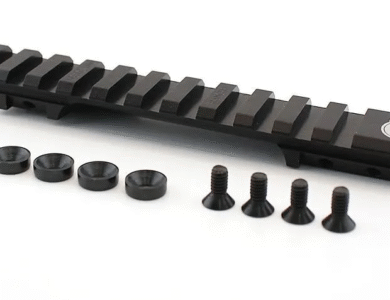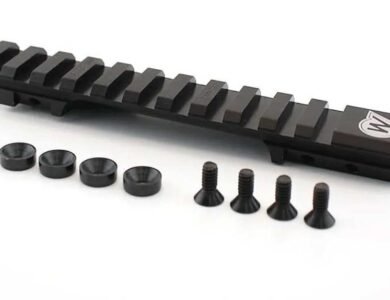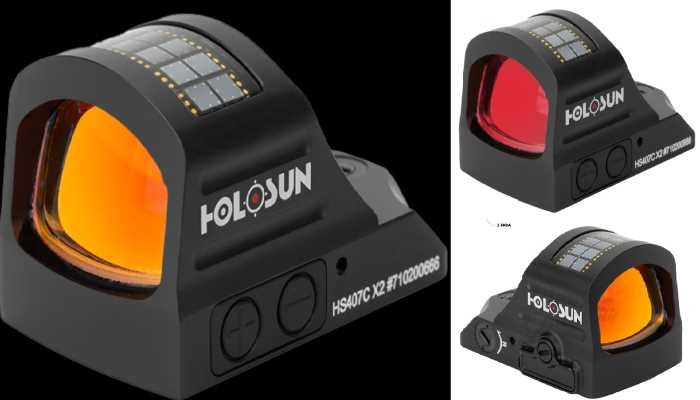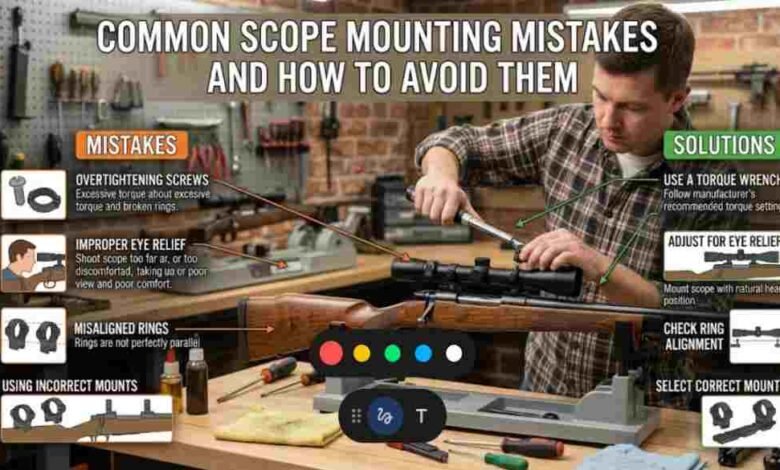
Properly mounting a rifle scope is essential for accuracy, consistency, and overall shooting performance. Unfortunately, many shooters make avoidable mistakes during the mounting process, leading to frustration, missed shots, and even potential damage to equipment. Understanding common pitfalls and how to avoid them can save both time and money, ensuring your optics perform at their best. For those using a Ruger M77, investing in quality ruger m77 scope mounts is a crucial first step toward a precise setup.
Choosing the Wrong Mount
One of the most common mistakes shooters make is selecting the wrong mount for their rifle or scope. Each firearm and optic has specific compatibility requirements, and using a mount that doesn’t match these specifications can lead to misalignment or instability. Always check the manufacturer’s recommendations for both your scope and rifle. Using mounts that are not designed for your specific firearm can result in loose fittings, poor eye relief, and even long-term damage to the scope.
Improper Torque Settings
Even with the correct mount, improper torque on screws can create problems. Overtightening can strip threads or deform the mount, while undertightening may cause the scope to shift under recoil. It’s important to follow torque specifications provided by the mount manufacturer. Using a quality torque wrench designed for small screws ensures consistency and reduces the risk of damage. Remember, even minor deviations in torque can affect the zero of your rifle.
Misaligned Scope Rings
Scope rings must be perfectly aligned to maintain accurate sighting. Misalignment can cause the scope to be canted, resulting in a vertical or horizontal deviation in your point of impact. To avoid this, use alignment tools or leveling kits specifically designed for scope mounting. Carefully check the ring orientation before tightening any screws, and always verify alignment with the rifle’s bore or a laser alignment tool.
Incorrect Eye Relief
Many shooters overlook the importance of proper eye relief during installation. Eye relief is the distance between your eye and the scope lens that allows a full, clear sight picture without causing injury from recoil. Mounting the scope too far forward or backward can cause discomfort and inconsistent shooting. Before fully tightening the rings, shoulder the rifle and adjust the scope to find the ideal eye relief for your shooting position. Once set, mark the position and then secure the mounts according to specifications.
Neglecting Leveling
A level scope ensures that your reticle is perfectly horizontal and vertical, which is especially important for long-range shooting. An unlevel scope will cause “canting” errors, affecting the trajectory of your shots. To prevent this, use a scope leveling kit or bubble level during installation. Check the level from multiple angles to ensure accuracy. Even a slight tilt can become a significant problem over distance.
Overlooking Lapping
Lapping is the process of smoothing the interior of scope rings to match the scope tube perfectly. While it might seem unnecessary, skipping this step can lead to uneven pressure on the tube, potentially causing damage or inconsistent point of impact. Lapping ensures that the scope is held evenly across the entire surface of the rings, reducing stress on both the mount and the optic.
Using Improper Tools
Another frequent mistake is using the wrong tools. Standard screwdrivers often slip and damage screws, while pliers or improper wrenches can mar mounts. Investing in the right tools, such as a dedicated scope mounting kit, torque wrench, and leveling tools, greatly improves installation quality. Proper tools not only make the process easier but also protect your equipment from accidental damage.
Not Double-Checking Work
Even experienced shooters sometimes rush through the mounting process. Failing to double-check torque, alignment, and leveling can lead to poor performance in the field. After installation, it’s wise to go over each step again, ensuring that screws are tight to specification, the scope is level, and eye relief is correctly set. Taking a few extra minutes now prevents frustration later.
Testing Before Shooting
Before heading to the range, perform a preliminary test to ensure the scope maintains zero. This includes checking the stability of the mounts under gentle recoil simulation and ensuring there is no movement in the scope. A properly mounted scope should remain consistent over multiple shots and different shooting positions.
Summary
Mounting a rifle scope correctly requires attention to detail, the right tools, and quality mounts. Common mistakes such as using the wrong mount, improper torque, misaligned rings, and neglecting leveling or eye relief can compromise accuracy and safety. By carefully following the proper procedures and taking your time during installation, you can ensure your scope performs reliably. For Ruger M77 owners, selecting the correct ruger m77 scope mounts and following these guidelines will help you achieve precise, consistent shooting every time.